Bringing a baby into the world is one of the most life-changing experiences a woman can have. Along with excitement and joy, pregnancy often comes with questions and concerns about delivery. Among the most common considerations is the choice between normal vaginal delivery and Caesarean section (C-section). Both methods are safe, widely practiced, and supported by modern medicine. However, they differ in process, recovery, and long-term impact.
Understanding these differences helps expectant mothers feel more confident about their journey. The ultimate goal is not which method is “better” but which one is safest for both mother and baby.
What Is Normal Delivery?
Normal vaginal delivery is the natural process of childbirth in which the baby is born through the birth canal. It remains the most common method of delivery worldwide and is often encouraged for women with low-risk pregnancies.
One of the biggest advantages of vaginal birth is the quicker recovery. Mothers are usually able to walk within hours, return home within a couple of days, and resume daily activities faster than those who undergo surgery. Vaginal delivery also allows for immediate skin-to-skin bonding, which helps in breastfeeding and emotional connection with the baby.
That said, normal delivery is not without its challenges. Labor can be long, exhausting, and painful. Some women may experience vaginal tears or require assistance through forceps or vacuum delivery. Pain relief options like epidurals are available, but the unpredictability of labor means each experience is unique. Despite these challenges, for many women, vaginal birth offers a fulfilling sense of accomplishment and physical recovery advantages.
What Is a Caesarean Section (C-section)?
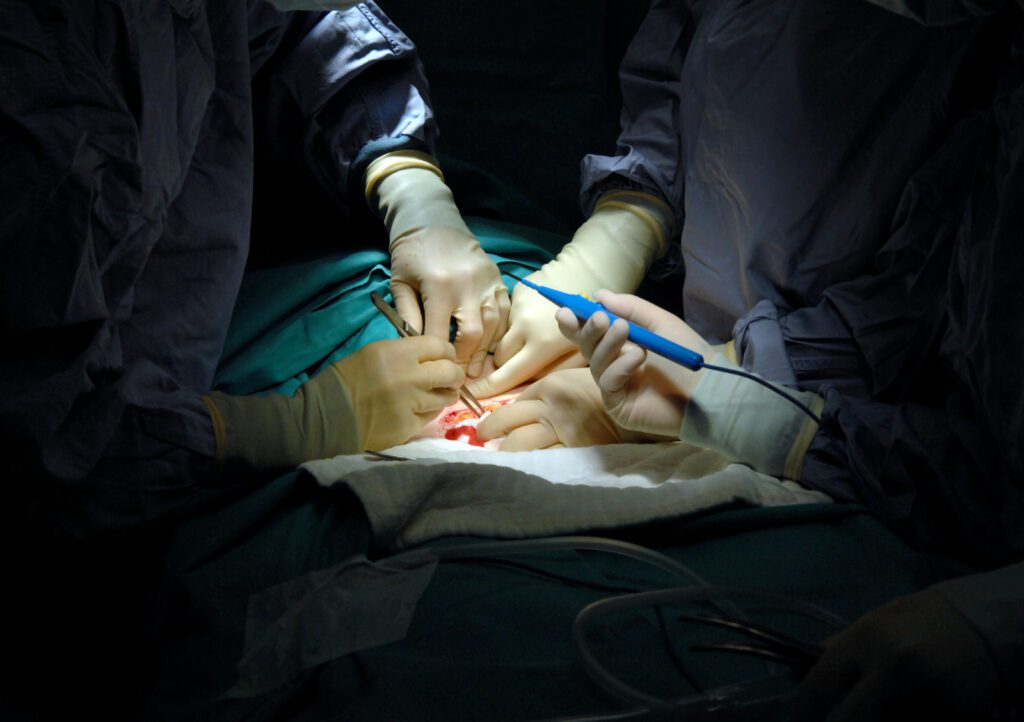
A Caesarean section is a surgical procedure in which the baby is delivered through an incision made in the mother’s abdomen and uterus. It may be planned in advance due to medical reasons or carried out in an emergency situation when complications arise during labor.
Doctors often recommend a C-section if:
- The baby is in a breech or transverse position.
- There is placenta previa (placenta covering the cervix).
- The baby shows signs of distress during labor.
- Labor is prolonged or obstructed.
- The mother is carrying multiples (twins or triplets).
- The mother has had previous C-sections, depending on circumstances.
The key benefit of a C-section is that it can be life-saving when vaginal delivery poses risks. It also provides predictability when scheduled in advance. However, as a major surgery, it comes with longer recovery periods, increased risk of infection, and restrictions on physical activity. Mothers typically stay in the hospital for three to five days and may need six weeks or more for complete healing.
Comparing Normal Delivery and C-section
Both delivery methods achieve the same beautiful result. A safe arrival of the baby. But the journey differs significantly.
Normal delivery is natural, less invasive, and encourages faster recovery. Mothers usually resume normal routines quicker, face fewer complications in future pregnancies, and benefit from immediate bonding opportunities. However, the unpredictability of labor can be physically demanding, and in some cases, it may not be possible without medical interventions.
C-section, on the other hand, provides a controlled environment, making it vital in high-risk pregnancies or emergencies. Yet, the recovery period is longer, the risks of surgical complications are higher, and repeated C-sections may complicate future pregnancies.
In short, neither method is superior. The safest delivery is the one tailored to the health and circumstances of the mother and baby.
Making an Informed Choice
Pregnancy often teaches flexibility. While many women prepare for a vaginal birth, situations can change quickly, making a C-section the safest option. It’s important to approach childbirth with an open mind.
Expectant mothers can prepare by:
- Attending all antenatal checkups to detect complications early.
- Discussing birth preferences and concerns with their gynecologist.
- Learning about both delivery methods so they know what to expect.
- Focusing on safety rather than rigid expectations.
A well-informed mother is better able to make decisions alongside her doctor, ensuring peace of mind during labor and delivery.
The Role of Prenatal Care
Prenatal care plays a critical role in determining safe delivery options. Regular visits allow doctors to monitor the baby’s growth, detect issues like gestational diabetes or high blood pressure, and assess whether a normal delivery is possible or if a C-section may be necessary.
Mothers are also encouraged to maintain healthy habits. Eating a balanced diet, engaging in gentle exercise, staying hydrated, and getting proper rest all contribute to a smoother delivery. Emotional preparation is equally vital, as stress management and family support can ease anxiety before labor.
Emotional Perspective of Delivery Choices
Childbirth is not just a medical event; it is deeply emotional. Some women may feel empowered by experiencing vaginal birth, while others may find comfort in the predictability of a planned C-section.
It’s important to remember that neither choice diminishes the essence of motherhood. Whether through labor or surgery, the outcome is the same: a healthy baby and a strong mother ready for the next chapter. Eliminating social pressure and respecting each mother’s journey fosters a more supportive environment for women during and after childbirth.
Safe Delivery: What Matters Most
At the end of the day, childbirth is about safety and well-being. The decision between normal delivery and C-section should always be guided by medical advice. Trusting an experienced gynecologist ensures that the chosen method aligns with the best interests of both mother and baby.
Every delivery is unique, and what matters most is not the method but the health of the family. A safe delivery paves the way for joyful beginnings, regardless of how it happens.
Conclusion
Both normal delivery and Caesarean section are safe and effective ways to bring a child into the world. Vaginal birth is natural and offers faster recovery, while C-section serves as a crucial option when complications arise. Each method has its place in modern medicine, and neither should carry stigma.
Expectant mothers are encouraged to stay informed, prioritize prenatal care, and maintain open communication with their gynecologist. With the right guidance, every mother can feel confident that her delivery will be as safe and positive as possible.
Frequently Asked Questions (FAQs)
1. Is C-section safer than normal delivery?
Neither method is universally safer. A C-section is safer in high-risk situations, while normal delivery is preferable for low-risk pregnancies. Your gynecologist will recommend the best option for your case.
2. Can I choose my delivery method?
Some women may opt for an elective C-section, but in most cases, the decision depends on medical conditions and safety considerations. Always consult your doctor before finalizing a birth plan.
3. Is recovery harder after a C-section?
Yes, recovery usually takes longer after a C-section due to surgery. Mothers may need four to six weeks of rest, compared to one to two weeks after vaginal delivery.
4. Can I have a normal delivery after a C-section?
In many cases, yes. This is called VBAC (Vaginal Birth After Caesarean). However, it depends on factors like the type of incision and overall pregnancy health.5. Which delivery method is better for future pregnancies?
Normal delivery generally poses fewer complications for future pregnancies. Multiple C-sections may increase risks such as placenta previa or uterine rupture.